
Repair and Maintenance Fights: Who Pays When Systems Fail Mid-Lease?
Posted August 25, 2026 in Uncategorized
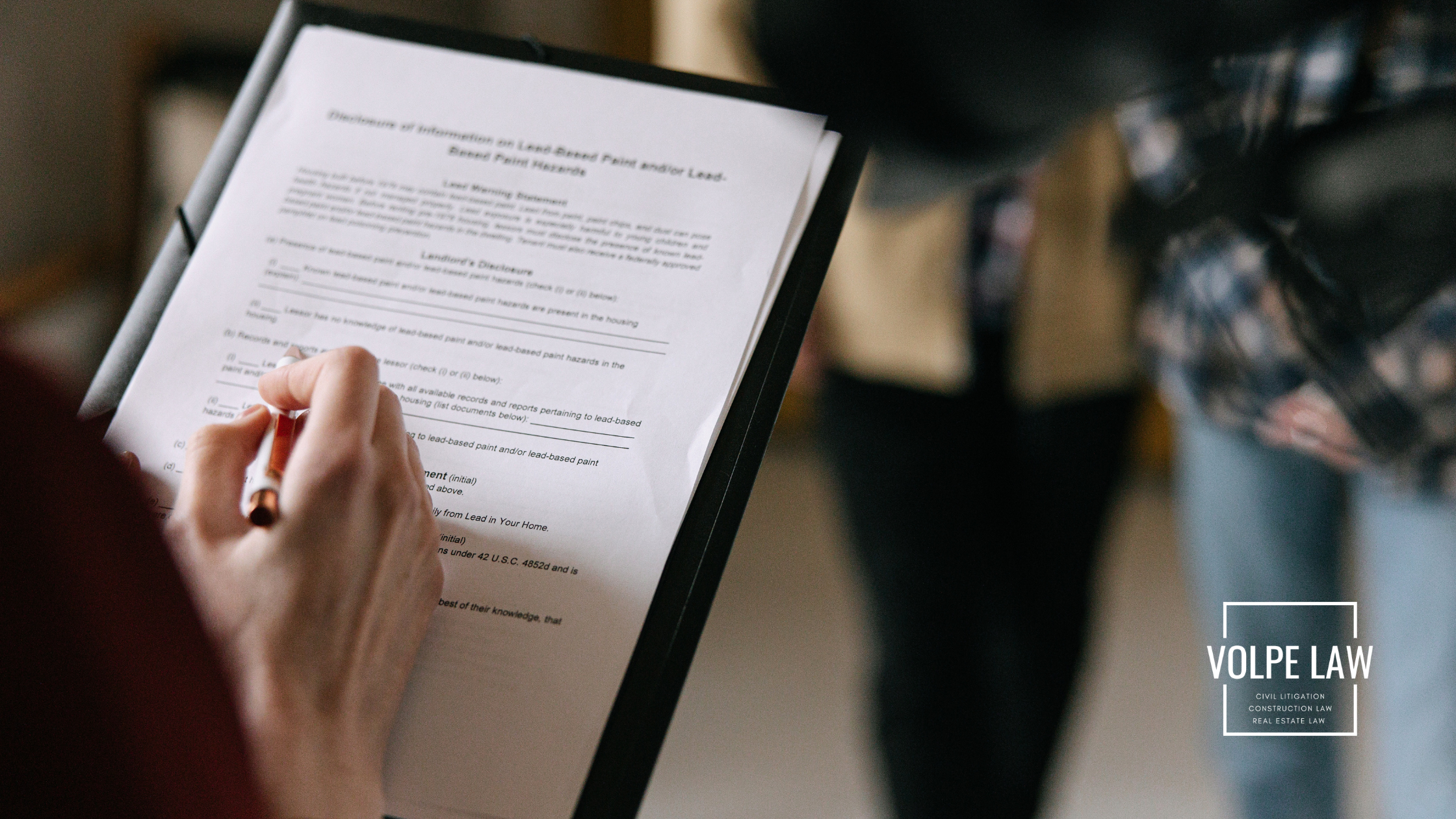
In this blog: Commercial lease repair disputes can erupt when HVAC, roof, plumbing, ADA, or building system failures threaten business operations mid-lease. In downtown Denver high-rises and larger commercial spaces, the fight can hinge on capital expenses, operating costs, pro rata tenant shares, lease language, and whether a landlord is pushing costs beyond what the agreement permits.
When an HVAC unit fails, a roof leaks, or plumbing backs up in a downtown Denver high-rise, the repair bill may be the first problem the tenant sees. The next problem may be bigger: lost work hours, employee complaints, customer disruption, ADA concerns, and a landlord demanding payment under the lease.
Many commercial tenants know certain operating expenses or CAM charges may be shared across the building. The dispute can escalate when the landlord treats a major roof, HVAC, plumbing, or ADA-related expense as a tenant responsibility, then applies a pro rata formula that produces a six-figure demand. For a tenant with a large footprint, every repair clause, CAM provision, exclusion, invoice, and email can become part of the fight before the work is complete.
CAPITAL EXPENSE OR OPERATING COST?
Many disputes center on whether the failed system counts as maintenance, repair, replacement, or a capital improvement. That distinction influences who pays and how much. Operating expenses may be passed through to tenants under certain leases. Capital improvements may require different treatment, especially when the landlord seeks reimbursement for a major replacement instead of routine upkeep.
For example, replacing filters and servicing an HVAC unit may fall in one category, while replacing the entire unit may fall in another. Patching a roof may differ from replacing the roofing system. Plumbing repairs inside a tenant’s premises may receive different treatment than main building infrastructure. The dispute can get expensive because the answer depends on the lease, the system involved, prior maintenance history, invoices, ownership duties, and the exact language used.
PRO RATA SHARES AND MULTI-TENANT BUILDINGS
In a building with several tenants, the landlord may try to allocate repair costs by pro rata share. That share may depend on rentable square footage, leased square footage, floor location, access to the system, or another formula in the lease. A tenant paying 18% of operating expenses may receive a bill for 18% of a roof, HVAC, plumbing, or ADA-related project.
That bill can raise serious issues when the tenant never controlled the system, never caused the failure, or signed a lease that limits pass-through charges. Larger commercial tenants should work with a litigation attorney to review whether the lease actually permits the charge, whether the landlord followed required billing procedures, and whether the expense was reasonable under the agreement.
AMBIGUITY CAN FUEL LITIGATION
Ambiguous lease language can create the opening for litigation. A landlord may point to broad phrases requiring tenants to pay for “building systems,” “common area maintenance,” “repairs,” or “compliance costs.” A tenant may point to provisions assigning structural components, roof, main plumbing, ADA compliance, or base-building HVAC to the owner.
The dispute can intensify when a landlord treats an expensive building-wide failure as a tenant obligation. A tenant may have a case when the charge seems unreasonable, wasn’t authorized by the lease, or shifts owner-level responsibilities onto businesses already paying rent, CAM charges, taxes, insurance, and other pass-through expenses.
A SIX-FIGURE DEMAND CHANGES THE STAKES
By the time a landlord sends a six-figure repair demand, the dispute has moved beyond routine property management. Large commercial tenants should treat major repair charges as litigation-risk documents.
The lease may give the landlord a path to collect certain costs, and it may also place limits on that path. Volpe Law LLC represents clients facing serious commercial lease disputes, including repair, maintenance, CAM, and landlord-tenant cost allocation conflicts. Contact Volpe Law LLC at 720-770-3457 to discuss the lease, the bill, and the next move.
DENVER COMMERCIAL LEASE REPAIR FAQ
Who pays when HVAC fails mid-lease?
Payment depends on the lease, the type of HVAC system, and who controls that system. A tenant may be responsible for routine service inside its leased premises, such as filter changes or basic maintenance. A landlord may be responsible for base-building systems, rooftop units serving multiple tenants, major replacements, or equipment tied to the building’s overall operation.
Can a landlord bill tenants for a roof replacement?
A landlord may try to bill tenants for roof work through operating expenses, CAM charges, or a pro rata allocation formula. A tenant should look at whether the lease excludes capital expenses, limits roof-related charges, requires amortization, or places structural components on the owner.
What should a tenant do after receiving a major repair bill?
Preserve the lease, invoices, emails, prior billing records, maintenance records, and payment demands. A tenant should avoid paying, signing an amendment, or sending emails that accept responsibility before counsel reviews the lease and billing history. An attorney can help determine whether the lease allows that cost to be shifted to the tenant, whether the amount was properly allocated, and whether the landlord followed the procedure required by the agreement.